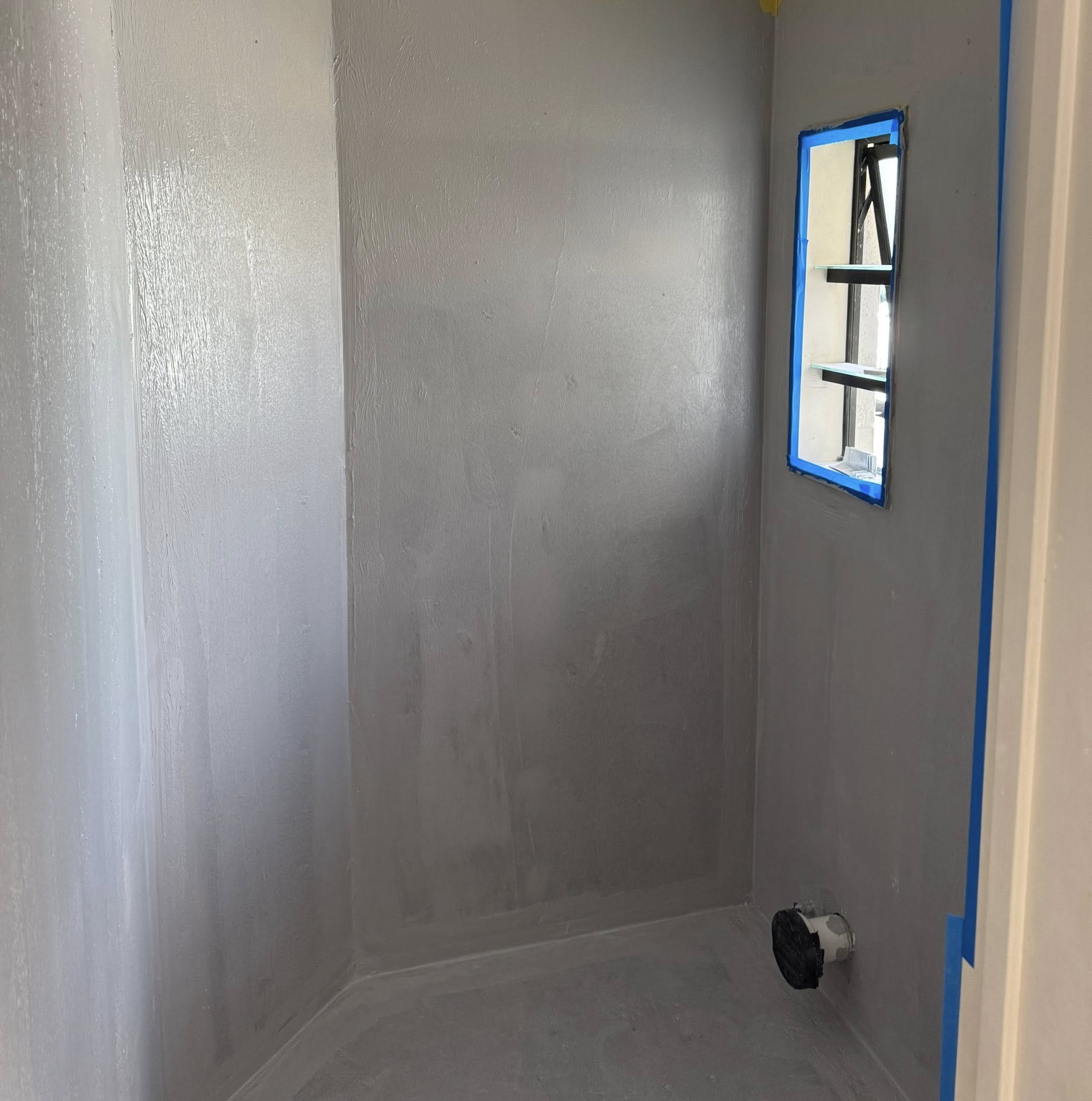
Do you need waterproofing before tiling? NZ rules explained
“Waterproofing failures are often hidden until major damage appears later.”
Many homeowners assume tiles themselves are waterproof. In reality, tiles and grout are not enough to stop water damage. Without proper waterproofing underneath, moisture can slowly penetrate into the substrate, leading to:
Rotting timber
Swollen flooring
Mould growth
Tile lifting or cracking
Expensive repairs later on
So, do you need waterproofing before tiling in New Zealand?
👉 In most bathroom and wet areas: Yes — absolutely.
Here’s what Auckland homeowners should know in 2026.
📜 NZ waterproofing rules explained
Waterproofing is a protective membrane system installed under the tiles to prevent water from entering the structure of the home. In New Zealand, waterproofing requirements are linked to:
NZ Building Code
E3 Internal Moisture requirements
AS/NZS 4858 waterproofing standards
These rules are designed to prevent moisture damage inside homes.
🚿 Where is waterproofing required?
In most Auckland bathrooms, waterproofing is required in:
✅ Shower areas
This includes:
Shower floors
Shower walls
Shower niches
Around penetrations and fittings
✅ Bathroom floors (Often required)
Bathroom floors are commonly waterproofed when:
There is a tiled shower
The floor is timber
The bathroom is upstairs
The design creates splash-prone areas
✅ Wet areas around baths
Areas surrounding baths may also require waterproofing depending on:
Splash exposure
Floor layout
Design details
❌ Are tiles waterproof by themselves?
No.
Even porcelain tiles can allow small amounts of moisture through:
Grout joints
Movement cracks
Silicone failures
Poorly sealed corners
Without waterproofing underneath, water can eventually damage the substrate.
🧱 What happens if waterproofing is missing?
This is one of the most common causes of bathroom failures in Auckland homes.
Signs of failed or missing waterproofing include:
Loose or hollow tiles
Cracked grout
Swollen skirting boards
Mould smell
Water leaking downstairs
Rotten timber flooring
👉 Insurance claims often uncover waterproofing failures hidden beneath tiles.
🔧 What surfaces need waterproofing preparation?
Before waterproofing begins, the substrate must be suitable.
Common bathroom substrates include:
Fibre cement tile underlay
Tile backer boards
Concrete floors
Screeded surfaces
The surface must be:
Clean
Stable
Properly fixed
Primed where required
Poor preparation can cause waterproofing failure later.
🧪 What waterproofing systems are common in NZ?
New Zealand tilers commonly use:
Liquid waterproofing membranes
Sheet membrane systems
Popular systems are designed to work together with:
Primers
Adhesives
Reinforcing tapes
Tile adhesives
👉 Using compatible systems is important for durability and warranty compliance.
⏳ How long does waterproofing take?
Typical timeframe:
1–2 days for application
Additional drying/curing time before tiling
Rushing this stage can compromise the entire bathroom.
💰 How much does bathroom waterproofing cost in Auckland?
In 2026, bathroom waterproofing in Auckland typically ranges from:
$800 – $2,500+
Costs depend on:
Bathroom size
Number of wet areas
Surface condition
Complexity of layout
🛠️ Can you tile over old waterproofing?
No.
The existing membrane must be:
Intact
Compatible
Properly bonded
Free from moisture damage
⚠️ DIY waterproofing risks
DIY waterproofing can become very expensive if done incorrectly.
Common problems include:
Insufficient membrane thickness
Poor corner sealing
Incorrect curing times
Wrong products used together
Waterproofing failures are often hidden until major damage appears later.
🧠 Why Proper Waterproofing Matters
Good waterproofing protects:
Your home structure
Your bathroom investment
Property value
Long-term durability
It also helps avoid:
Costly remediation work
Insurance complications
Moisture-related health issues
📞 Need bathroom waterproofing & Tiling in Auckland?
At Cozy Tiling, we specialise in:
Bathroom waterproofing
Tiling installations
Insurance repair projects
Surface preparation and floor levelling
We focus on proper preparation and long-lasting workmanship for Auckland homes.